Super Visa Medical Exams in Ajax: The Chest X-Ray Step
Helping a parent or grandparent with a super visa medical exam? Learn where the chest X-ray fits, what to bring and how Ajax families can plan an easy visit.
· 8 min read
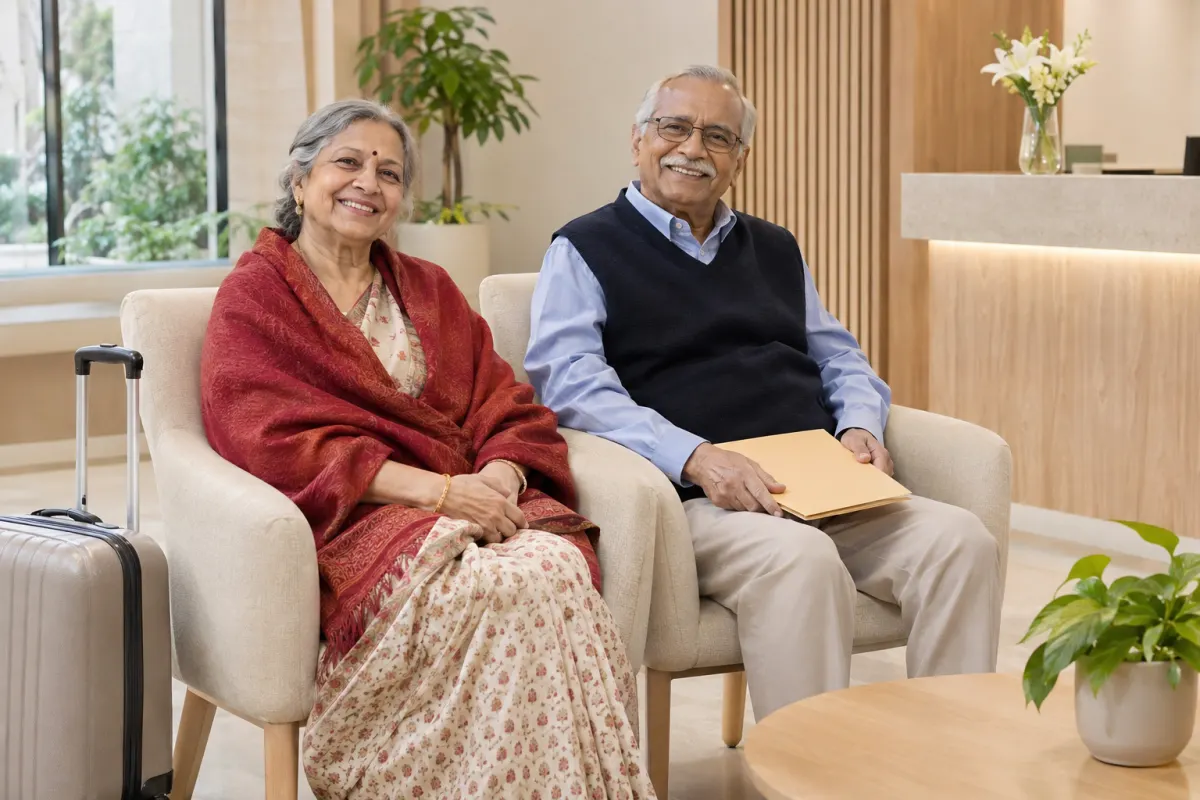
Before reading further, here is a quick checklist for families in Ajax who are helping a parent or grandparent through the medical part of a super visa application:
- Has the applicant received instructions saying a medical exam is required?
- Have they seen, or booked with, an IRCC-approved panel physician?
- Did the panel physician say a chest X-ray is needed, and give paperwork for it?
- Does the name on their identification match the name on that paperwork exactly?
- Do you know which imaging clinic the panel physician has directed them to?
If you can answer yes to most of these, the chest X-ray itself is usually the simplest part of the process. If several are still question marks, the panel physician is the person to speak with first. This article focuses on the X-ray step, with a particular eye on what makes the visit easier for older adults and the relatives who often come along to help.
What we can and cannot speak to
The super visa is a type of visitor visa that allows parents and grandparents of Canadian citizens and permanent residents to visit family for extended stays. Immigration, Refugees and Citizenship Canada (IRCC) requires applicants to complete an immigration medical exam with a panel physician, a doctor approved by IRCC. That exam can include a chest X-ray.
Everything else about the application, including eligibility, timelines, fees, insurance, how long anything stays valid and how decisions are made, is set by IRCC. Rossland Diagnostic Clinic is a diagnostic imaging clinic. We are not immigration advisers and cannot answer questions about any part of the application other than the X-ray itself. For those questions, please go to IRCC’s official information or your panel physician.
If you would like a general walk-through of how any IRCC chest X-ray works from start to finish, our step-by-step immigration chest X-ray guide covers it. And if you are curious about what happens to the images once they are taken, read how eMedical sends immigration X-ray results. The rest of this post builds on those rather than repeating them.
Why the X-ray is part of the exam
A chest X-ray gives a picture of the lungs, the heart’s outline and the bones of the chest. Within an immigration medical exam it is one of several pieces the panel physician pulls together, alongside a medical history, a physical examination and any other tests they request. The applicant does not need to prepare anything special for the X-ray beyond the practical steps below, and the X-ray is not something to study for or worry about passing.
Which pieces are required for a particular applicant, and why, is determined by IRCC rules and the panel physician. If the applicant has had a chest X-ray recently for another reason, they should not assume it can be used. Ask the panel physician.
Where the exam happens depends on the applicant
Super visa applicants often live outside Canada when they apply, and many complete their medical exam with a panel physician in their own country. Others may already be in Canada for a visit when the exam is arranged. Where the exam takes place is guided by the applicant’s instructions and their panel physician, not by where the family in Canada lives.
So the first question is not “Which clinic is closest to us in Ajax?” but “Where has the panel physician asked the applicant to have the X-ray?” If the answer is an Ajax or Durham Region clinic that completes IRCC chest X-rays and uploads them through eMedical, you can call us at 905-426-3111 to ask about availability.
Planning the day for an older applicant
Parents and grandparents who come for a super visa X-ray are often in their sixties, seventies or older. Some are also recovering from a long flight, adjusting to a new time zone or experiencing their first Canadian winter. A little planning goes a long way.
Choose a calm time
The clinic is open Monday to Friday from 9:00am to 5:00pm and Saturday from 8:00am to 3:30pm. Saturday hours can suit working family members who want to come along. If jet lag is an issue, a mid-morning visit after a proper breakfast may feel better than the first slot of the day.
Think about getting there
Rossland Diagnostic Clinic is at Unit 102, 300 Rossland Road East in Ajax, with free parking and ground-floor access. There are no stairs to manage between the car and the reception desk, which matters for anyone using a cane, walker or wheelchair. In icy weather, drop the applicant at the door before parking.
Dress for the X-ray
Clothing with metal near the chest, such as zippers, snaps, metal buttons, underwire or decorative beading, can show on the image. A simple top without metal is easiest. Jewellery around the neck should come off, so leave valuable pieces at home if possible. The applicant may be asked to change into a gown. Our post on what to wear to imaging has more general tips.
Mention anything that affects positioning
A chest X-ray is usually taken standing, facing the imaging plate, with the shoulders rolled forward and a deep breath held for a moment. For many older adults this is easy. For others, standing still, lifting the arms or holding a breath can be harder. Let the technologist know about:
- difficulty standing for a short time, dizziness or balance problems
- shoulder stiffness or pain that limits arm movement
- a pacemaker, other implanted device or previous chest surgery
- hearing difficulty, so instructions can be given clearly and checked
The technologist will adapt where they can. Implanted devices do not prevent an X-ray; they simply appear on the image, and knowing about them in advance is helpful.
Documents: the most common snag
At an immigration X-ray, identity is checked carefully, because the images are linked to a specific person’s case. Small mismatches cause the most delays. Before the visit, look at the applicant’s identification next to the panel physician’s paperwork and confirm that:
- the full name is spelled exactly the same way, including the order of names
- the date of birth matches
- the identification is valid and is the type the instructions or panel physician asked for
- every page of the paperwork for the X-ray is in the folder, along with any reference numbers
If something does not match, contact the panel physician before coming in. It is much simpler to fix in advance than at the front desk. Keep the original documents together in one folder, and consider bringing a printed copy of the instructions as well. For a fuller packing list, see what to bring to your immigration medical X-ray.
When a family member comes along
Many older applicants feel more comfortable with an adult child or grandchild nearby. A family member can help with parking, paperwork and the check-in conversation, and it can be reassuring simply to have someone familiar in the waiting room.
If the applicant is more comfortable in a language other than English, it can help to have a family member or friend who speaks both languages with them. If you have questions about language support or about who may accompany the applicant into the X-ray room, call the clinic to confirm before the day. Our post on bringing a support person offers general tips for anyone coming along to an imaging visit.
A note about privacy
Even when a family member is sponsoring or helping, the medical exam belongs to the applicant. Staff may need to speak directly with the applicant, and questions about the exam’s progress are best directed to the panel physician or IRCC by the applicant or someone they have authorized according to IRCC’s processes.
A few situations worth raising early
- Pregnancy. Applicants who are or might be pregnant should tell the technologist before the X-ray and also speak with their panel physician, who can explain how this may affect the medical exam.
- Known lung conditions. If the applicant has a history of lung disease or treatment for a chest condition, bring any records you have to the panel physician. The imaging clinic takes and uploads the images; interpretation and any follow-up within the immigration process are handled through the panel physician and IRCC.
- Feeling unwell on the day. A fever, cough or new breathing difficulty is a reason to call the clinic before coming. Chest pain, severe shortness of breath or fainting needs emergency care: call 911 or go to the nearest emergency department.
After the X-ray
The X-ray itself takes only a few minutes. Afterward, the images are uploaded securely through eMedical, so there is nothing for the family to carry to the panel physician or send to IRCC for this step. The clinic cannot tell you what the images show in relation to the application or when a decision will be made. For updates, contact the panel physician or IRCC.
It is worth noting the date of the X-ray and keeping any visit paperwork you are given, in case the panel physician or IRCC asks.
Key takeaways
- IRCC requires super visa applicants to complete an immigration medical exam with a panel physician, and that exam can include a chest X-ray.
- The panel physician, not the family’s location, determines where the X-ray should be done.
- Check that names and dates of birth match exactly across identification and paperwork before the visit.
- Older applicants benefit from a calm time slot, metal-free clothing and a quick word to the technologist about mobility, implants or hearing.
- Questions about the application belong with IRCC or the panel physician; the imaging clinic handles the X-ray and its eMedical upload.
To learn more, visit our immigration chest X-ray page. If the applicant’s panel physician has directed them to our Ajax clinic, call 905-426-3111 to ask about availability, or request an appointment online and our team will be in touch.