Protecting Your Bones in Ajax: Osteoporosis Prevention Basics
Learn everyday habits that support bone health, from movement and nutrition to fall prevention, and when to ask about a bone density scan in Ajax.
· 8 min read
There is a common belief that osteoporosis is simply part of getting older, something that happens to your grandmother and that nobody can do much about. It is an understandable idea, but it is not the whole story. While age does affect bone, many of the factors that shape bone strength over a lifetime are influenced by everyday choices: how you move, what you eat, whether you smoke, how you set up your home and how early you start paying attention.
This article is a plain-language overview of osteoporosis prevention for adults in Ajax and the surrounding Durham Region communities. It is not a treatment plan, and it does not replace advice from your doctor. Think of it as a starting point: the basics worth knowing, a few myths worth setting aside and some practical ideas you can discuss with your health-care provider.
Myth one: “My bones are done changing”
Bone is not a fixed structure like the frame of a house. It is living tissue that your body constantly remodels, breaking down small areas of old bone and laying down new bone in their place. In childhood and early adulthood, the body builds more than it removes, and most people reach their peak bone mass by their late twenties or early thirties.
From middle age onward, the balance slowly tips toward breakdown. In women, this tends to accelerate in the years around menopause as estrogen levels fall. In men, the decline is usually more gradual, but it still happens.
The encouraging part is that remodelling never fully stops. The habits you keep in your forties, sixties and eighties all influence how quickly bone is lost and how well you protect what you have. It is never too early, and rarely too late, to pay attention.
Myth two: “Only women get osteoporosis”
Women are more likely to develop osteoporosis, largely because of menopause and because they generally start with smaller, lighter bones. But men develop it too, and because it is less expected, it can go unrecognized until a fracture happens.
Risk factors that apply to both men and women include:
- increasing age
- a family history of osteoporosis or a parent who broke a hip
- a previous fracture from a minor fall
- long-term use of steroid medications such as prednisone, and certain other medications
- smoking
- regular heavy alcohol use
- low body weight
- conditions that affect hormone levels or nutrient absorption
If several of these apply to you, regardless of sex, it is worth raising bone health with your doctor.
Movement: what helps bones most
Bones respond to the demands placed on them. When muscles pull on bone and when your body works against gravity, bone tissue receives signals to stay strong. That is why activity is one of the cornerstones of bone health at every age.
Weight-bearing activity
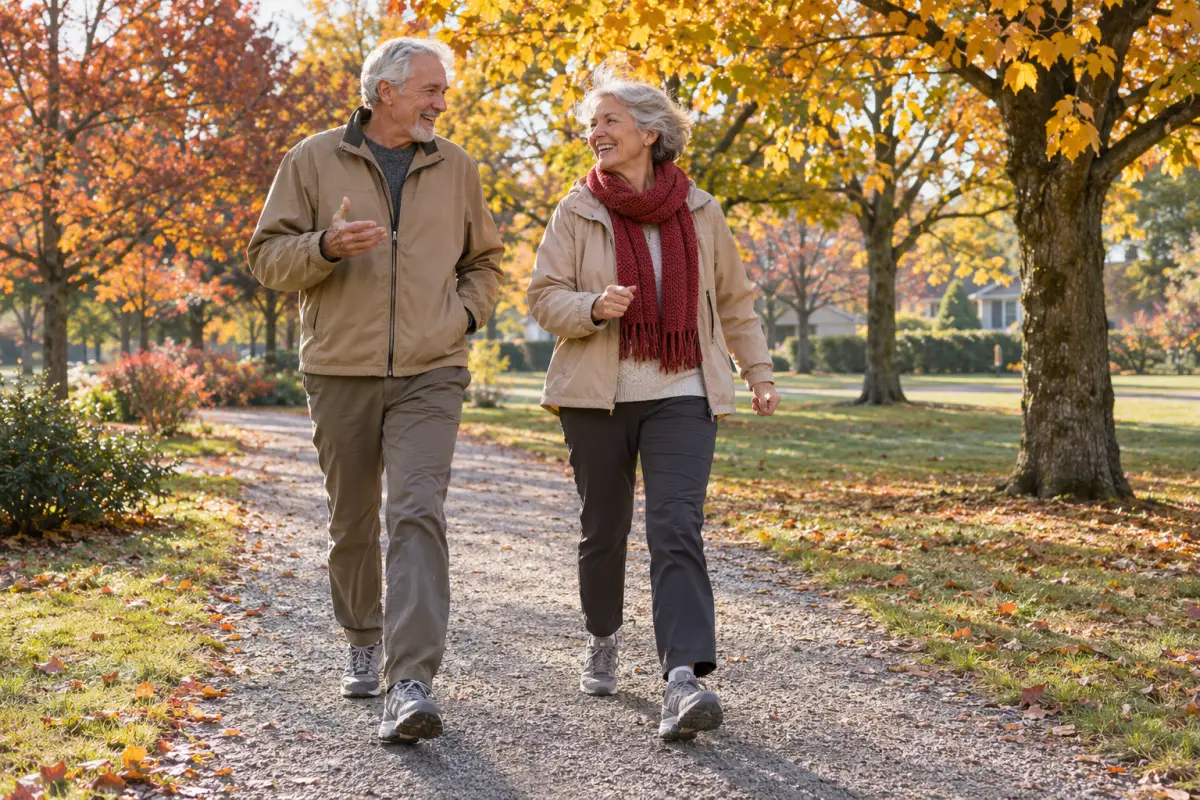
Weight-bearing exercise is anything you do on your feet where your body supports its own weight. Examples include:
- brisk walking
- hiking on trails
- dancing
- stair climbing
- tennis, pickleball and other racquet sports
Ajax is fortunate to have plenty of waterfront and neighbourhood trails, which make walking an easy habit to build into daily life through much of the year.
Strength training
Resistance exercise, such as using light weights, resistance bands or your own body weight, builds muscle, and stronger muscles place healthy stress on bones. Strength work also supports balance and coordination, which matters a great deal for preventing falls.
Balance and posture
Activities like tai chi, yoga and specific balance exercises can reduce the chance of falling. Posture-focused exercises may also help support the spine.
A word of caution
If you have already been diagnosed with osteoporosis or low bone density, some movements, such as deep forward bending or twisting of the spine, may not be appropriate. Speak with your doctor or a physiotherapist before starting a new program so they can suggest activities suited to your situation.
Nutrition: building blocks for bone
Food provides the raw materials bones need. You do not need a special diet, but a few nutrients deserve attention.
Calcium is the main mineral in bone. Dairy products are a familiar source, but calcium is also found in fortified plant-based beverages, canned salmon or sardines with bones, tofu made with calcium, almonds and some leafy greens.
Vitamin D helps your body absorb calcium. In Canada, our long winters and limited sunlight for much of the year make it harder to get enough vitamin D from the sun alone. Some foods, such as fatty fish and fortified milk, contain it.
Protein supports both muscle and bone. A balanced diet with a variety of protein sources, from beans and lentils to eggs, fish and lean meats, helps keep muscles strong as you age.
Overall pattern matters more than any single food. Plenty of vegetables and fruit, whole grains and adequate protein create a strong foundation.
How much calcium and vitamin D you need, and whether a supplement makes sense for you, depends on your age, diet and health history. This is a good question to bring to your family doctor or a registered dietitian rather than guessing, since more is not always better.
Small swaps that add up
Prevention rarely depends on a dramatic overhaul. A few realistic changes, repeated over months and years, often do more than an ambitious plan that lasts two weeks. Some ideas people find manageable:
- adding a glass of milk or a fortified plant-based beverage to breakfast
- keeping plain yogurt or canned salmon on hand for easy lunches
- including a serving of beans, lentils or tofu in a few meals each week
- making a habit of a short walk after dinner, even in cooler months
- carrying a refillable water bottle and choosing water more often than sugary drinks
None of these is a prescription. They are simply examples of how bone-friendly choices can fit into an ordinary week in Ajax without feeling like a chore.
Habits that work against bone
Prevention is partly about what you add and partly about what you reduce.
- Smoking. Tobacco use is linked with lower bone density and a higher risk of fractures. If you smoke, stopping benefits your bones along with the rest of your body. Your doctor or pharmacist can talk with you about support options.
- Heavy drinking. Regular high alcohol intake can affect bone health and increases the risk of falls.
- Long periods of inactivity. Bones lose strength when they are not used. Even small amounts of daily movement count.
- Very low body weight. Being significantly underweight is associated with lower bone density. Restrictive dieting can work against bone health.
Preventing falls at home and around town
Most fractures linked to osteoporosis happen after a fall. Reducing the chance of falling is one of the most practical ways to protect your bones, no matter what your bone density is.
At home
- Keep floors and stairways clear of clutter, cords and loose rugs.
- Make sure stairways and hallways are well lit, and use night lights between the bedroom and bathroom.
- Install grab bars near the toilet and in the tub or shower, and use a non-slip mat.
- Keep frequently used items within easy reach so you are not climbing on chairs.
Outdoors
Durham Region winters bring ice and snow, and many falls happen on driveways, sidewalks and parking lots.
- Wear footwear with good grip, and consider ice grips that slip over your boots in winter.
- Take shorter steps and walk slowly on slick surfaces.
- Keep salt or sand handy for steps and walkways.
- Ask for help with snow clearing if it is a strain.
Your health
- Have your vision checked regularly.
- Ask your doctor or pharmacist to review your medications, since some can cause dizziness or drowsiness.
- Mention any recent falls or near-falls at your next appointment, even if you were not hurt.
When to ask about a bone density scan
Prevention and testing work together. Healthy habits help protect bone, while a bone mineral density scan shows where you currently stand. Bone density testing is widely recommended for adults from about age 65, and your doctor may suggest it earlier if you have risk factors such as a fracture from a minor fall, long-term steroid use or early menopause. For a closer look at who is commonly referred, see our guide on who should get a bone density test.
At Rossland Diagnostic Clinic in Ajax, a BMD scan requires a physician’s referral. The scan uses low-energy X-ray, is painless and takes only a short visit. On the day of your scan, skip calcium and iron supplements until afterwards, wear clothing without metal fasteners, and bring your health card and requisition.
Key takeaways
- Bone is living tissue, and everyday habits influence its strength throughout life.
- Osteoporosis affects both women and men.
- Weight-bearing activity, strength training and balance work all support bone health.
- Calcium, vitamin D and protein matter; ask your doctor or a dietitian about how much you need.
- Not smoking and limiting alcohol help protect bone.
- Fall prevention at home and outdoors is one of the most practical ways to prevent fractures.
- Ask your doctor whether a bone density scan is right for you, especially if you are 65 or older or have risk factors.
Taking the next step
Small, steady changes add up over years. If you have questions about your bone health, start with your family doctor. If you have a requisition for a bone density scan, our team in Ajax would be glad to help you arrange it. Call 905-426-3111 or request an appointment, and we will walk you through how to prepare.